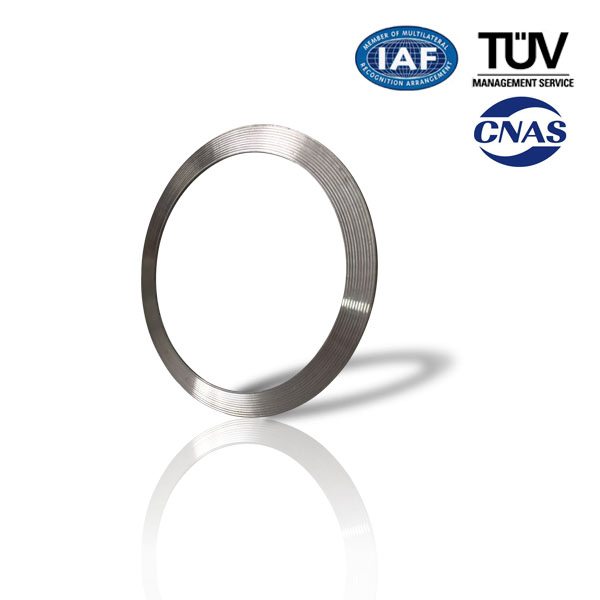
Wholesale 100% Original Tellerette Packing Ring for Madagascar Factories

Short Description:

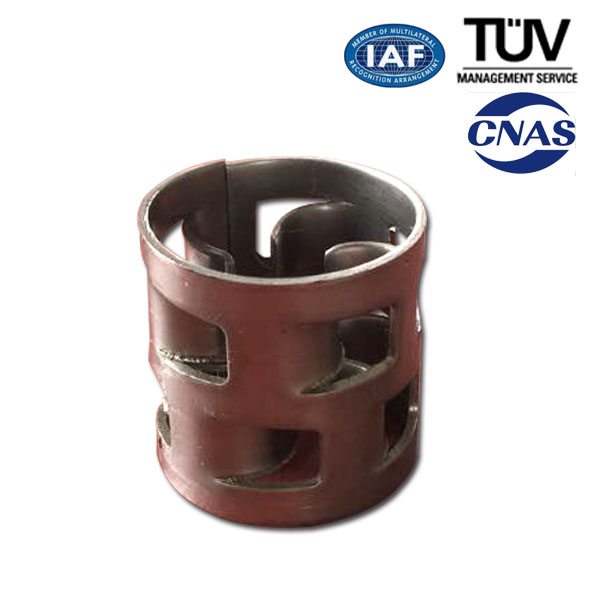
Material: PE, PP, RPP, PVC, CPVC and PVDF. Tellerette Packing Rings have features such as high void ratio, low pressure drop, low mass-transfer unit height, high flooding point, uniform gas-liquid contact, small specific weight, high mass transfer efficiency, etc., and the application temperature in media ranges from 60℃ to 150 ℃.For these reasons, them are widely used in the packing towers in petroleum industry, chemical industry, alkali-Chloride industry, coal gas industry and environmental...


Product Detail

Product Tags

Related Video

Feedback (2)

, , ,
Wholesale 100% Original Tellerette Packing Ring for Madagascar Factories Detail:
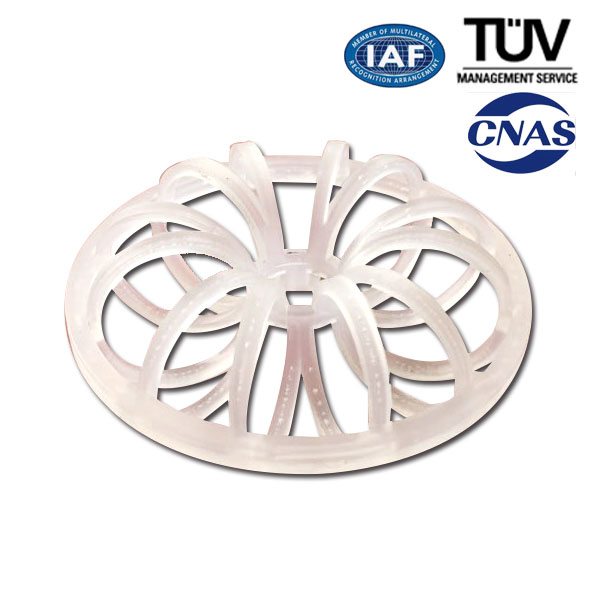
Material: PE, PP, RPP, PVC, CPVC and PVDF. Tellerette Packing Rings have features such as high void ratio, low pressure drop, low mass-transfer unit height, high flooding point, uniform gas-liquid contact, small specific weight, high mass transfer efficiency, etc., and the application temperature in media ranges from 60℃ to 150 ℃.For these reasons, them are widely used in the packing towers in petroleum industry, chemical industry, alkali-Chloride industry, coal gas industry and environmental protection, etc.

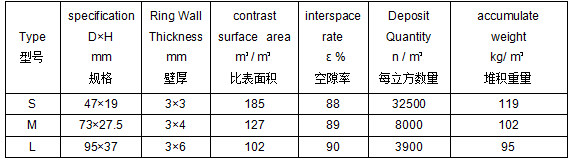
Technical Data Sheet
20170531164436


Product detail pictures:

Wholesale 100% Original
 Tellerette Packing Ring for Madagascar Factories detail pictures


Related Product Guide:
Useful Tips For Installing The Teflon Envelope Gasket
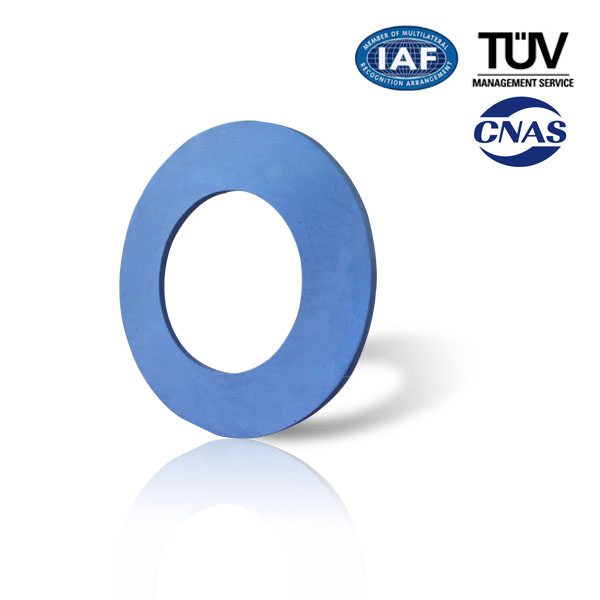
What Is A PTFE Ring Gasket?

Wholesale 100% Original Tellerette Packing Ring for Madagascar Factories, The product will supply to all over the world, such as: , , ,


  • https://www.BobsPlumbingVideos.com
    Your Online Plumbing Resource For People Who Don’t Want To Call A Plumber!

    In this video I show you how to remove and replace the the center diverter stem in a three valve shower body.

    If you have never attempted a diverter stem replacement then I suggest you also check out my video series titled three valve shower body repair. You can watch them for free here:

    Three Valve Shower Body Repair – Part 1:

    https://www.bobsplumbingvideos.com/three-valve-shower-body-repair-part-1/

    Three Valve Shower Body Repair – Part 2:

    https://www.bobsplumbingvideos.com/three-valve-shower-body-repair-part-2/

    I walk you through the steps on removing the hot and cold water stems along with some tool suggestions for getting the job done. The function the diverter stem is solely to direct the water to the shower head or the tub nozzle and with this repair you won’t have to shut off any water to the fixture itself. Just make sure the hot and cold water sides the shower body are in the off position.

    To remove the stem you simply follow the same instructions out lined in my video “three valve shower body repair” where I demonstrate the removal of the hot and cold water stems. As you can see this stem looks a little different and has a two way function. When the stem is pull back away from the seat the water will travel through two openings in the stem that direct the water up to the shower head. When the washer is closed against the seat the water travels full flow down through the tub nozzle. Their is also a seat inside the body that should be replace when you install a new stem, don’t forget to make sure the stem is in the fully opened position before placing in back into the body. If it’s in the closed or halfway position, you’ll chance damaging the stem and or shower body.

    In a world of new style single lever pressure balanced tub and shower faucets, the three valve shower body still exists and when they fail, the repairs have to be made. I hope the video shed some light on the subject of replacing the stems and seats in these style shower bodies

    Watch the video and if you have any questions, please head on over to https://www.BobsPlumbingVideos.com and get in touch.

    For more about the tools and gear I use in these videos and in my plumbing business, head on over to the gear store at-https://www.bpvgear.com

    Happy Plumbing!
    Bob


    The Types 3271 and 3277 Pneumatic Actuators contain a rolling diaphragm and internal springs.

    Special features
    • Low overall height
    • Powerful thrust at high response speed
    • Low friction
    • Various bench ranges by varying the number of springs or their compression
    • No special tools required to change the bench range and to reverse the actuator action (also version with handwheel)
    • Permissible operating temperatures from –50 to +120 °C
    • Direct attachment of accessories on additional yoke for
    • Type 3277 with concealed travel pick-off

    Samson 3241 Globe Control Valve

    The control valves consist of a body with trim, bonnet and pneumatic actuator, optionally with metal bellows or insulating extension. The valves may be also equipped with electric, electro-hydraulic, or hand-operated actuators, as well as control accessories and other instrumentation.

    Application

    Control valve for process engineering and plants with industrial requirements.
    Nominal valve sizes 1⁄2” to 10” (15 to 250 mm) Pressure ratings ANSI Class 125 to 300
    Temperatures −320 °F to +800 °F (−196 °C to +427 °C)

    Features
    • Modular design, rugged and heavy duty construction, full range of body and trim materials
    • One-piece ultra-rigid valve bonnet and yoke up to size 6”
    • Field retrofittable extension bonnets and metal bellows seals
    • Many configurations, e.g. Cryogenic or ‘Lethal service’
    • Self-adjusting, live-loaded PTFE V-ring stuffing box
    • Port-guided V-port asymetric plugs above CV 20 standard
    • Excellent dynamic response and high trim stability
    • Self-locking seats, exchangeable for various CV values
    • Low height, reversible, multi-spring/rolling diaphragm actuator
    • NAMUR (IEC 534-6) accessory mounting standard
    • Complete selection of actuators options, positioners and control accessories

    Installing a SAMSON 3277 Actuator to a 2″ Samson 3241 Globe Control Valve

    In this video, we’ll describe how to install a SAMSON 3277 actuator to a 2″ 3241 globe valve. The actuator in this example fails closed and is a size 350cm with a 3-15psi spring range.

    Step by Step Instructions:

    1. Begin by carefully placing the actuator onto the valve bonnet to avoid thread damage.

    2. For this example we’re using a 3-15 psi actuator, apply approximately 20psi to retract the stem. This allows us to install the ring nut without causing any damage to the plug and seat sealing surfaces. Thread on the ring nut and lock into position.

    3. To set the bench range, apply a pressure equal to the lower bench range; 3 psi in our case.

    4. Push down on the plug to make sure it’s firmly pressed into the seat. Raise the stem connector nut until it makes contact with the actuator stem and add an additional ¼ turn. Then, raise the lock nut and secure into position with two wrenches.

    5. The stem connector clamp is now installed to mechanically link the actuator stem to the plug.

    6. If necessary, adjust the travel indicator to the correct position.

    7. Actuator installation is now complete.

    RENCOR Controls
    21 Sullivan Parkway
    Fort Edward, NY 12828
    Phone: (800) 777- 4174
    Fax: (518)747- 4176
    www.rencor.com
    rencor@rencor.com


    5 Stars By from -

    5 Stars By from -

    Related Products