Special Price for Tellerette Packing Ring for European Manufacturers

Short Description:

Material: PE, PP, RPP, PVC, CPVC and PVDF. Tellerette Packing Rings have features such as high void ratio, low pressure drop, low mass-transfer unit height, high flooding point, uniform gas-liquid contact, small specific weight, high mass transfer efficiency, etc., and the application temperature in media ranges from 60℃ to 150 ℃.For these reasons, them are widely used in the packing towers in petroleum industry, chemical industry, alkali-Chloride industry, coal gas industry and environmental...


Product Detail

Product Tags

Related Video

Feedback (2)

, , ,
Special Price for Tellerette Packing Ring for European Manufacturers Detail:
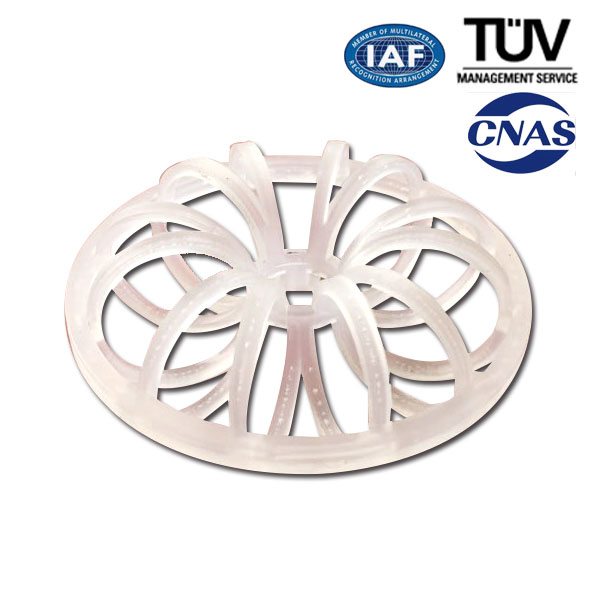
Material: PE, PP, RPP, PVC, CPVC and PVDF. Tellerette Packing Rings have features such as high void ratio, low pressure drop, low mass-transfer unit height, high flooding point, uniform gas-liquid contact, small specific weight, high mass transfer efficiency, etc., and the application temperature in media ranges from 60℃ to 150 ℃.For these reasons, them are widely used in the packing towers in petroleum industry, chemical industry, alkali-Chloride industry, coal gas industry and environmental protection, etc.

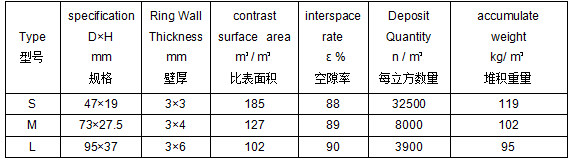
Technical Data Sheet
20170531164436


Product detail pictures:

Special Price for
 Tellerette Packing Ring for European Manufacturers detail pictures


Related Product Guide:
A Look at the Molded Gasket
Comparison of O-Ring Materials

Special Price for Tellerette Packing Ring for European Manufacturers, The product will supply to all over the world, such as: , , ,


  • The Hosokawa Micron Powder Characteristics Tester PT-X makes use of state of the art features to identify the characteristics of a wide range of powdered materials. The instrument is capable of determining 11 different characteristics.

    Compressibility

    Compressibility is the percentage amount of volume loss a substance will sustain when put under pressure. Essentially, it is how much an object can be crushed without being destroyed.

    Determining the Compressibility

    The compressibility of a material is determined through two tests: the aerated density test, and the tapped density test. The difference between the results of the aerated density test and the tapped density test is the substance’s compressibility. This video explains how the Hosokawa Micron Characteristics Tester PT-X can be used to determine the compressibility of a granulator material.


    5 Stars By from -

    5 Stars By from -

    Related Products