Wholesale price for PTFE Envelope EPDM Gasket for Pakistan Manufacturers
Wholesale price for PTFE Envelope EPDM Gasket for Pakistan Manufacturers Detail:
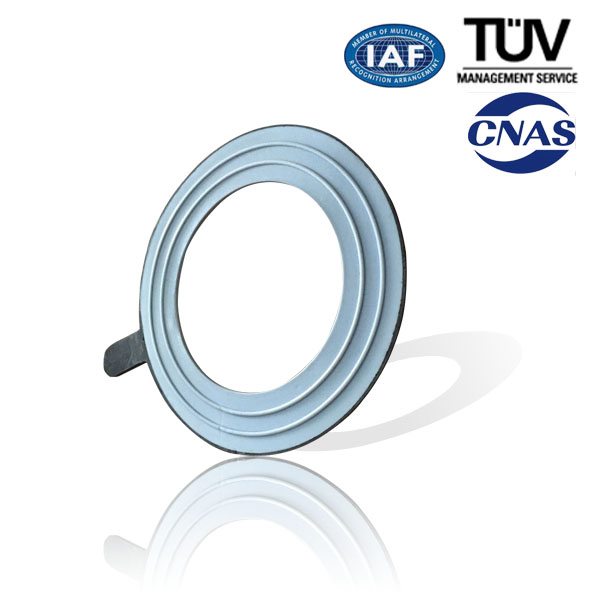
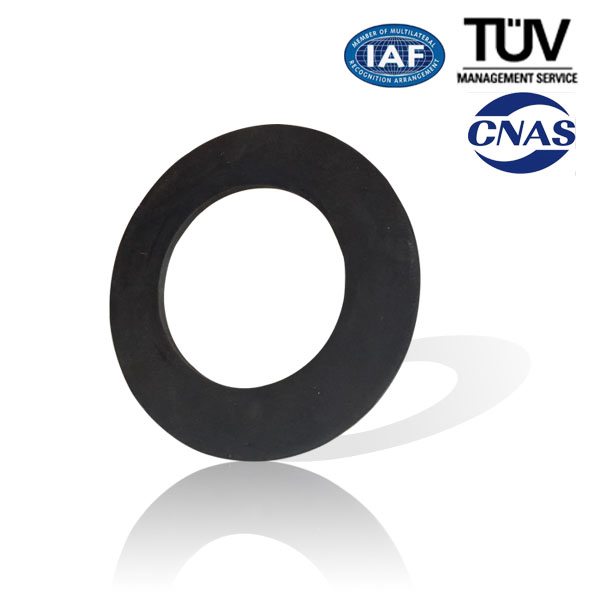
PTFE envelope EPDM gasket utilizing PTFE jacket have become popular for use in severely corrosive services because of its low min. Seating stress, excellent creep resistance, high deformability and choice of a variety of filler materials to assure optimum performance on any specific application.
Product Feature:
l Virtually 100% chemically resistance
l Temperature resistance: -200~+260℃
l Pressure resistance: 4Mpa
Application
PTFE envelope gaskets are widely used in food and process industrial where contamination of the medium can not be permitted. Suitable for medium strong alkalis, cryogenic fluids, oxygen, chlorine gas etc.
Product detail pictures:

Related Product Guide:
What Is A PTFE Ring Gasket?
Comparison of O-Ring Materials
Wholesale price for PTFE Envelope EPDM Gasket for Pakistan Manufacturers, The product will supply to all over the world, such as: , , ,
How to properly install a butterfly valve onto a Poly Processing IMFO®, Integrally Molded Flanged Outlet, polyethylene tank. When installing larger assemblies like a valve or flex joint on to a poly tank, an extra set of hands is helpful. Start with the gasket against the IMFO®. Hold the valve against it, take the backing ring and place it on.
Now insert one all-thread and through the front of the assembly. Add a wedge washer, flat washer, and nut to the back of the assembly.
Now that we’e added hardware to the back of the all thread, add the flex joint to the front of the butterfly valve. An important note at this stage is to not leave out the included spacer. The spacer is very important when we use a PVC flange against a PTF and composite flex joint. With stainless steel flanges, these spacers would not be required. Just like on the back side of the IMFO®, we’re going to add hardware top the front side of the all threads. The only difference is that there will not be a wedge washer on this side of the hardware. Tighten each nut down in a criss-cross pattern. Once all hardware is tightened, a crow’s foot can be used to get in between the two flanges and use an actual torque wrench to tighten to 20 ft-lbs
Next, add the valve handle. Remove the retainer screw from the top of the assembly. Line up the pattern of the valve handle and press down in to place.
Learn more about polyethylene tanks and fittings: https://www.polyprocessing.com/