High Efficiency Factory PTFE Graphite Braided Packing for Kyrgyzstan Factory
High Efficiency Factory PTFE Graphite Braided Packing for Kyrgyzstan Factory Detail:
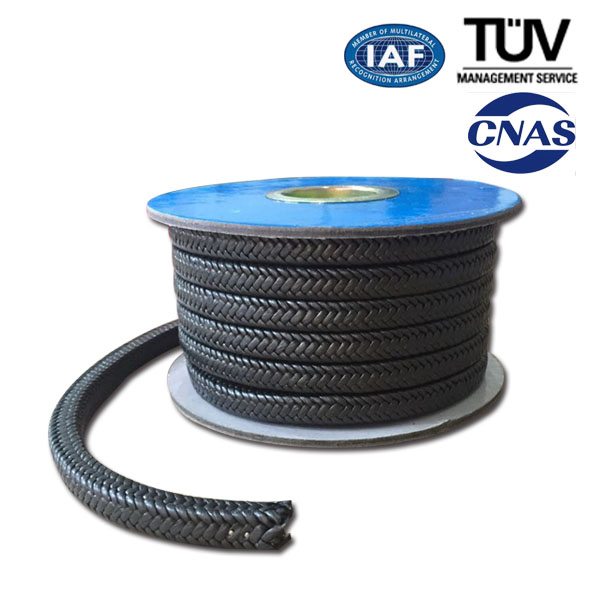
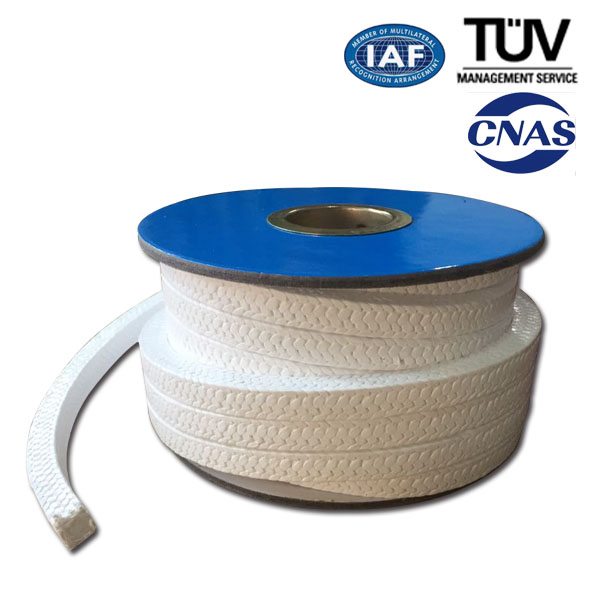
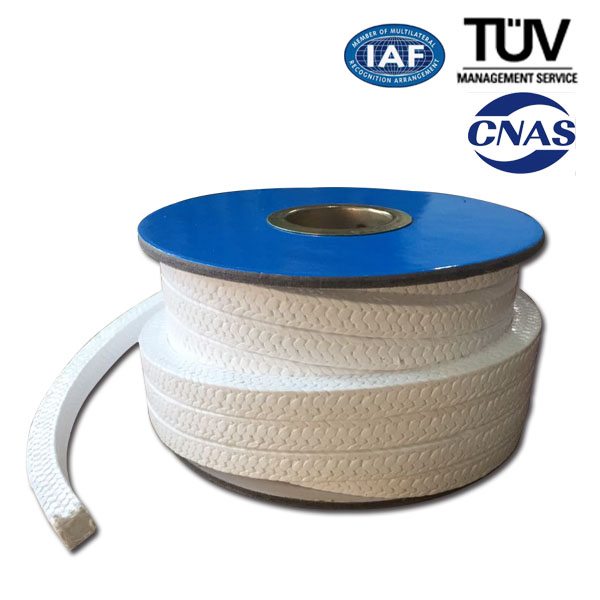
It is a braided packing made of PTFE yarn containing graphite. It is recommended for shafts for almost all chemicals. Stability and long service lift are achieved by low friction coefficient. It has great tear strength and high thermal conductivity. This self lubrication packing does not score the shaft and minimizes sleeve rep, acement cost. It can be used to seal alkalis, solvents, water, steam, acids except strong oxidizing acids( aqua regia, fuming nitric acid, fuming nitric acid, fuming sulfuric acid,etc.) for centrifugal pumps, autoclaes, agitators mixers, etc.
Technical Data Sheet
|
|
Rotating |
Reciprocating |
Valves |
|
Pressure |
2Mpa |
15Mpa |
15Mpa |
|
Shaft Speed |
14m/s rotary |
||
|
Temperature |
-200℃~+280℃ |
||
|
PH Range |
0~14 |
||
Application Area
It can be used to seal alkalis, solvents, water, steam, for centrifugal pumps, autoclaves, agitators, mixers, etc.
Product detail pictures:

Related Product Guide:
Useful Tips For Installing The Teflon Envelope Gasket
O-Ring Sizes for Industrial Applications
High Efficiency Factory PTFE Graphite Braided Packing for Kyrgyzstan Factory, The product will supply to all over the world, such as: , , ,
Here are my first impressions of the New PowerSpec 3D Pro 3D Printer from Micro Center. PowerSpec is Micro Center’s house brand computer. As of recently, they’ve begun offering a couple of economically priced 3D printers based on the open source MakerBot Replicator 1 dual plans. This is their second generation model that comes with an acrylic enclosure to help trap heat in the build box and mitigate warping. The frame seems to be steel with some sort of expanded PVC paneling to enclose the back, bottom, and sides. The model I picked up today is loaded with PowerSpec’s own firmware, version 1.2. There are a number of tools in the utilities panel I have not seen before, including a dangerous-looking eeprom menu, apparently for some on-board firmware tweaks. The firmware is based on MakerBot’s Rep 1 firmware so instead of .GCODE, you feed it .X3G files. That means you can use MakerWare for preparing your files instead of ReplicatorG if you prefer, as I do.
There are color-changing LED’s among the bells and whistles too, which shift hue as the build plate and extruders heat. I asked at Micro Center about buying parts for repairs and was informed that I can order everything I might need from MakerBot. I’m more than a little skeptical of that since I spotted a couple of tiny PTFE tubes in the spare parts bag. These are not part of the typical MakerBot extruder, but are what you find inside the cheap Chinese extruders on other Replicator 1 knock-offs like the Flash Forge or Wanhao. The heated build plate looks like 1/4″ glass and comes covered with a sheet of kapton tape. 10 minutes into working with it, this printer seems like a worthwhile piece of equipment for $1000.