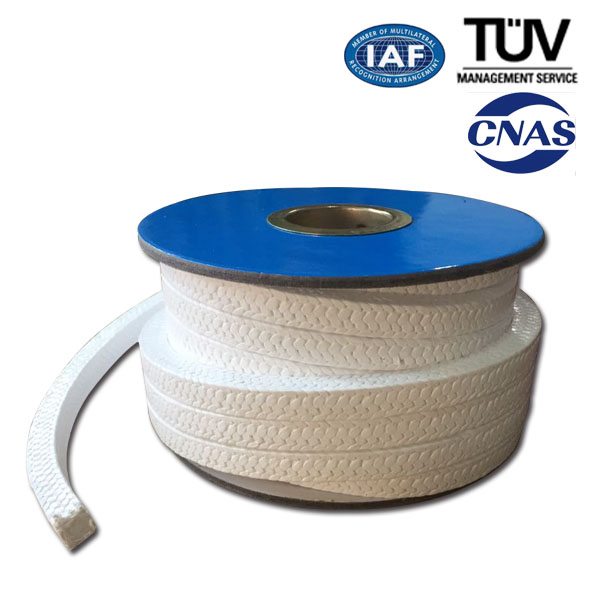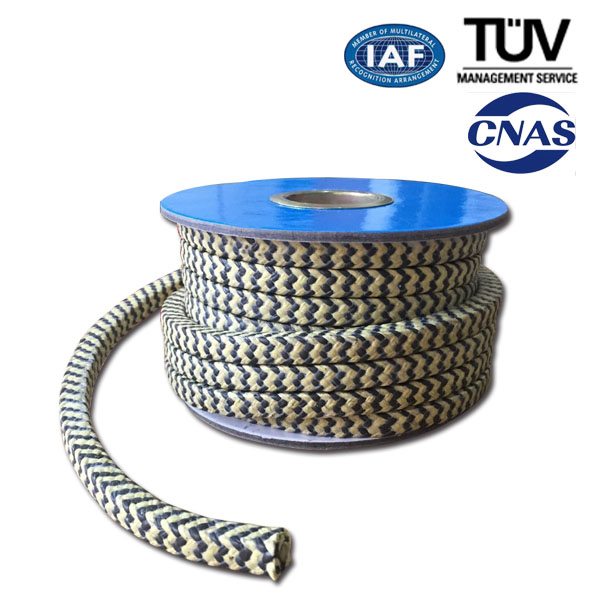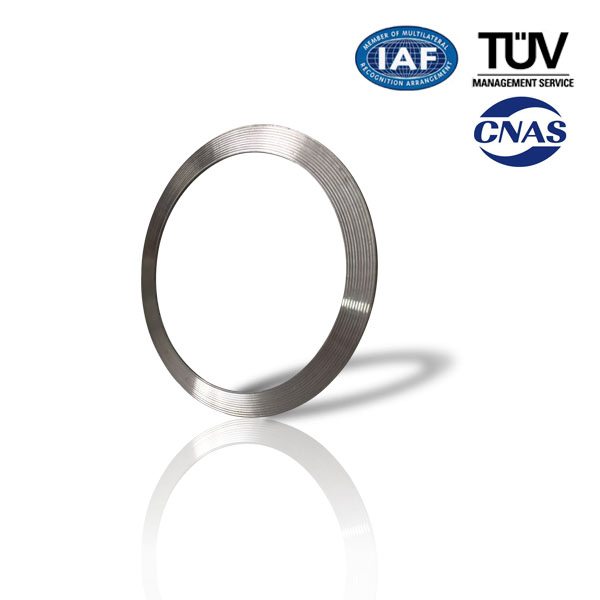
Factory provide nice price PTFE Packing with Aramid Corner for Sydney Factories
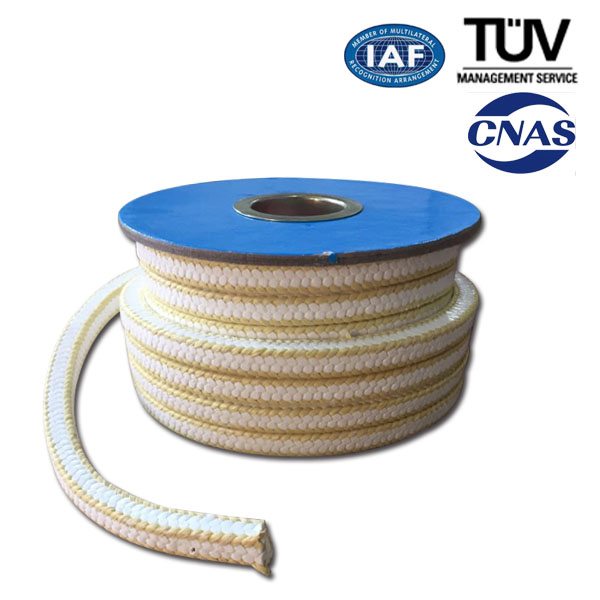
Factory provide nice price PTFE Packing with Aramid Corner for Sydney Factories Detail:
PTFE packing with aramid corner is made from aramid yarns impregnated with PTFE, while the friction faces are made of PTFE yarns. This structure enhances the lubrication ability of aramid fiber and improves the strength of the pure PTFE.
Technical Data Sheet
|
|
Rotating |
Reciprocating |
Valves |
|
Pressure |
4Mpa |
15Mpa |
25Mpa |
|
Shaft Speed |
22m/s rotary |
||
|
Temperature |
-100℃~+280℃ |
||
|
PH Range |
2~12 |
||
Application Area
It affords longer service life under severe conditions which conventional asbestos packing can bot provide satisfaction, such as mine, tin ore, paper pulp, feed water pump of power stations, etc.
Product detail pictures:
Related Product Guide:
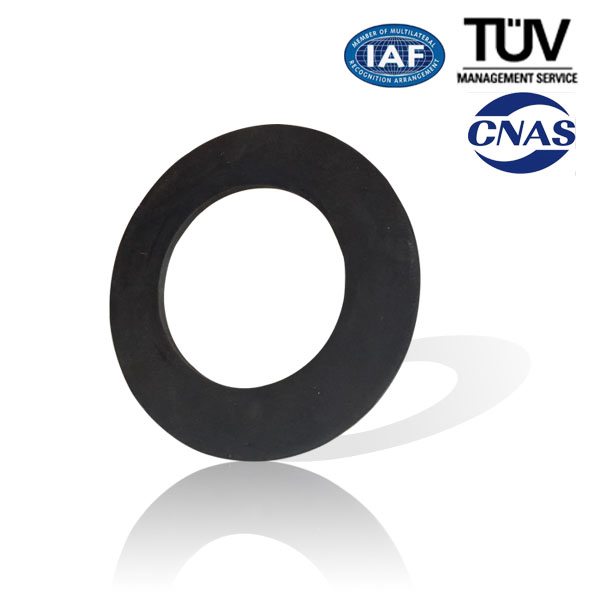
What Is A PTFE Ring Gasket?
Comparison of O-Ring Materials
Factory provide nice price PTFE Packing with Aramid Corner for Sydney Factories, The product will supply to all over the world, such as: , , ,
Visit https://parts.rheem.com to buy manufacturer authorized parts for Rheem, Ruud, Richmond, Marathon, Eclipse, Vanguard, Hotpoint and General Electric (GE) water heaters. We also offer many universal parts designed to fit most other brands of water heaters.
Changing the anode rod every four years is a great way to extend the life of your water heater. The anode rod is a special metal component that’s meant to slowly dissolve so that the tank itself doesn’t corrode. When the anode rod is depleted, it no longer offers corrosion protection for the tank. To avoid tank damage, it’s best to replace the rod before that happens.
We offer anodes made from magnesium and aluminum, available in various lengths. Aluminum rods are available where sulfur odor or “rotten eggs smell” is a problem. Flexible rods are available where overhead space is tight for installation.
This video shows detailed step-by-step procedure for how to replace an anode rod on a gas or electric hot water heater.
Tools you’ll need
A ratchet wrench
A 1 1/16-inch socket
A 24” cheater bar or pipe
A Flat Blade Screwdriver
Teflon tape
A 2-gallon bucket
Hack saw
WARNING: For your safety, be sure to carefully read and understand the manufacturer’s Use and Care Manual, in its entirety, prior to operating, repairing or adjusting the water heater. Failure to do so may result in fire or explosion, electric shock, property damage, personal injury, or loss of life. If you do not understand these instruction or any terms within them, please contact a qualified service professional. Prior to starting any repairs or service on your water heater, please thoroughly read the Use and Care Manual provided with your water heater. If at any time you are unsure or uncomfortable about the suggested repair or service discussed herein, stop any activity and immediately contact a licensed plumber.
TERM Sealant Barrier – Termite barrier for plumbing penetrations
www.PolyguardBarriers.com
TERM Sealant Barrier is a sealant barrier, applied with a caulking gun or smoothing tool, and used for both waterproofing and insect
exclusion . TERM Sealant Barrier is a component of the non-structural TERM Barrier System which, when properly constructed as part of the building envelope, acts as a barrier to almost all pests. Because almost all pests are excluded for the life of the structure, the need for pesticide treatment should be permanently and drastically reduced.
Here are some of the places where it is used:
1. To seal slab penetrations above slab against termite entry
2. As a component of the TERM Full Bath Trap Barrier, to exclude
termites, fire ants, rodents, moles, etc. from entry underneath
bathtubs at ground level
3. To seal slab penetrations (prior to concrete pour) as a
component of the TERM Underslab Barrier
4. To detail small gaps found during construction in horizontal or
vertical portions of the TERM building envelope pest barrier.
Polyguard Products, Barrier Products Division
The Polyguard Particle Barrier is an insect exclusion product and is easy to install. Used around the perimeter of the building, it can significantly reduce the quantity of termiticides needed to protect the structure.
Polyguard has registered our barrier products with the EPA, who
along with state agencies regulates pesticides. However, Polyguard’s barriers are classified by the EPA as “devices”, since they contain no toxic components.
Termites trying to get into a structure are unable to penetrate the
Polyguard Particle Barrier. Also important, in the case of the
Reticuletermes flavipes species, is that the insects are unable to get out of a structure which they previously penetrated. In the majority of infested structures, there is not sufficient moisture in the building for Reticuletermes flavipes, so they have to come out to obtain moisture.
 By from -
By from -
By from -