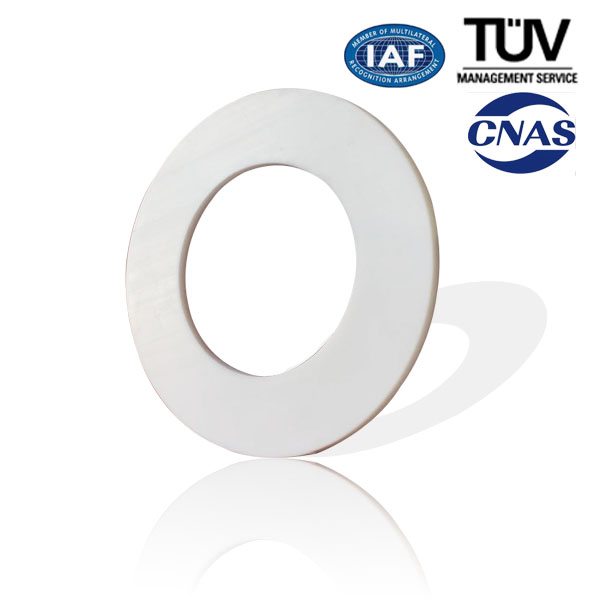
Popular Design for Spiral Wound Gasket-CG for Auckland Factory

Short Description:

Spiral wound gasket consists of “V-shape”(or”W-shape”)metal tape and nonmetal tape, which are overlapped each other and wound continuously.To fasten the metal tape,both its start point and end point are tack welded. Feature Wide Scope of acceptable working conditions. Can be used under high temperature, high pressure and ultra-low temperature or vacuum conditions. Change the combination of the gasket materials is to tackle the chemical corrosion problem of diverse medi...


Product Detail

Product Tags

Related Video

Feedback (2)

, , ,
Popular Design for Spiral Wound Gasket-CG for Auckland Factory Detail:
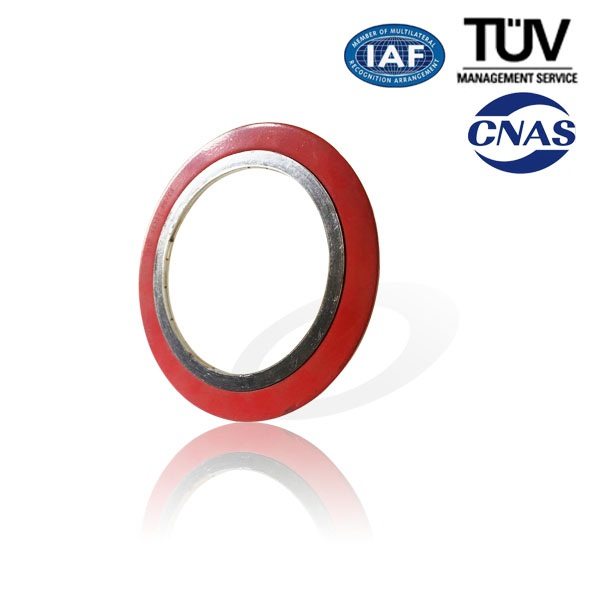
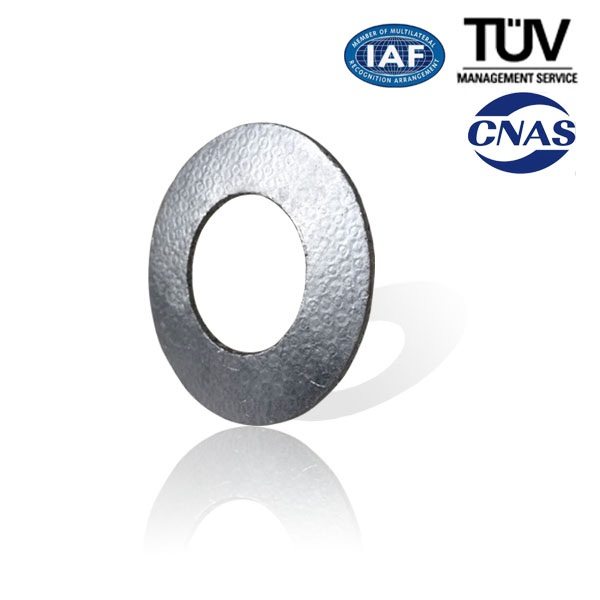
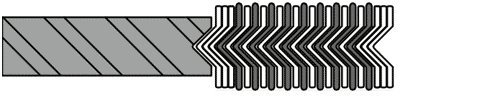
Spiral wound gasket consists of “V-shape”(or”W-shape”)metal tape and nonmetal tape, which are overlapped each other and wound continuously.To fasten the metal tape,both its start point and end point are tack welded.

Feature

Wide Scope of acceptable working conditions. Can be used under high temperature, high pressure and ultra-low temperature or vacuum conditions. Change the combination of the gasket materials is to tackle the chemical corrosion problem of diverse media toward the gasket.

Not very rigid requirements to the surface precision of the flange. May be used to seal flanges with rough surface

Easy installation and handy use.

Excellent Sealability

Products Type
ee

Technical Data Sheet

Product&Type

Size(mm)

Temperature(℃)

Pressure(Mpa)

Spiral Wound Gasket filled with Graphite


φ16~φ3200

(In Oxidizing Environment )-240~+550℃;(In non-Oxidizing Environment)-240~+870℃

(Under hot water, oil etc. )30 Mpa; (Under vapor oil, gases etc.)20 Mpa

Spiral Wound Gasket filled with Asbestos


φ16~φ3200

-150~+450℃

15

Spiral Wound Gasket filled with Asbestos


φ16~φ3200

-150~+450℃

15

Spiral Wound Gasket filled with PTFE


φ16~φ3200

-200~+250℃

15


Application Area

The Spiral Wound Gaskets are mainly used in valves &pipes, pressure vessel, condenser, heat exchanger flanges in oil, chemical, metallurgy, vessel and mechanical industries.


Product detail pictures:

Popular Design for
 Spiral Wound Gasket-CG for Auckland Factory detail pictures


Related Product Guide:
Comparison of O-Ring Materials
What Is A PTFE Ring Gasket?

Popular Design for Spiral Wound Gasket-CG for Auckland Factory, The product will supply to all over the world, such as: , , ,


  • www.trumarkindia.com
    call/ whatsapp /hike/viber : +91-9870789174
    skype: trumarkpharma
    info@trumarkindia.com

    continuous bag sealer with conveyor capacity suitable for upto 25kg can seal from 1kg to 25kg bags, its a bag closing machine operates on heater based sealing of bags, sealing width is approx 12mm

    machine comes with or without variable speed drive, AC drive for continuous high performance, robust mild steel construction & powder coated finish

    thicker teflon belt & imported timing belts are provided for longer life

    heavy duty band sealer is suitable to seal or pack flour, grains, chemical powder, rice, spice packing etc

    spice pouch band sealer
    rice bag closing machine
    grain bag sealing machine
    fertilizer pouch sealer


    WidgetWorks Hobby Vacuum Formers and Thermoform Plastic Sheets are perfect for inventors, small businesses, and DIY hobbyists who want to make custom vacuum formed plastic parts. Use our Hobby Vacuum Formers and Thermoform Plastic Sheets along with your kitchen oven and a Shop-Vac vacuum cleaner to thermoform homemade plastic parts with results that rival expensive commercial machines. Make your own plastic prototypes, clamshell and blister packaging, custom molds, scale model parts, and movie props.

    Hobby Vacuum Formers and Thermoform Plastic Sheets are available through our website:
    www.WidgetWorksUnlimited.com

    HOW TO VACUUM FORM IN 3 EASY STEPS

    STEP 1: Secure your thermoform plastic between the Hobby Vacuum Former’s metal clamping frames with the provided spring clips. Attach your Shop-Vac (not included) to the vacuum former. Place your model on top of the vacuum formers perforated aluminum platen.

    STEP 2: Place the thermoform plastic in your kitchen oven and watch as it begins to sag. When the plastic becomes soft, remove it from the oven. Align the metal clamping frames with the Hobby Vacuum Former’s guides and lower the plastic over your model.

    STEP 3: The hot thermoform plastic forms an air tight seal around the edges of the aluminum vacuum platen. Vacuum pressure pulls the hot plastic down around the model. After cooling for a few seconds the thermoform plastic part hardens and is ready to be removed.


    5 Stars By from -

    5 Stars By from -

    Related Products