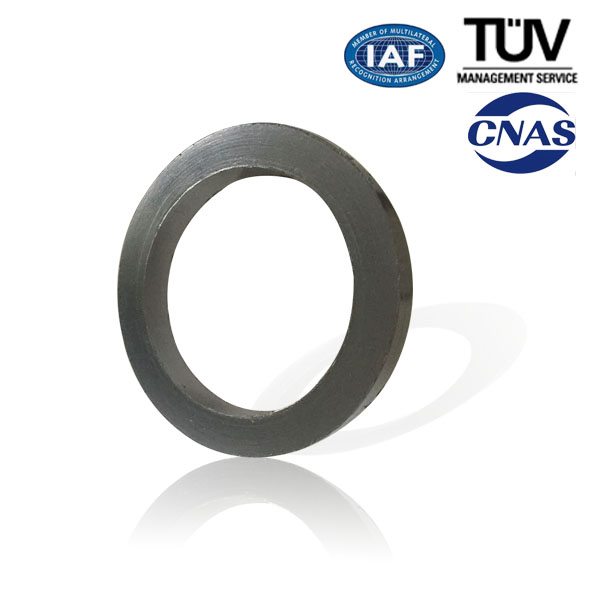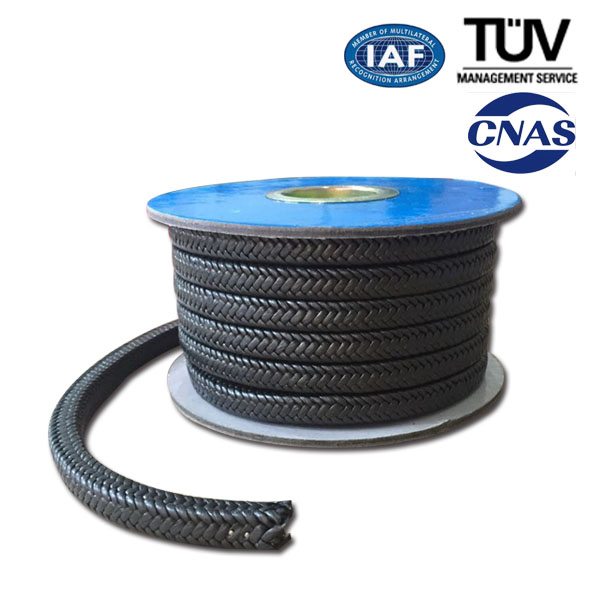
2017 Latest Design PTFE Packing with Aramid Corner to Switzerland Factory

Short Description:

PTFE packing with aramid corner is made from aramid yarns impregnated with PTFE, while the friction faces are made of PTFE yarns. This structure enhances the lubrication ability of aramid fiber and improves the strength of the pure PTFE. Technical Data Sheet   Rotating Reciprocating Valves Pressure 4Mpa 15Mpa 25Mpa Shaft Speed 22m/s rotary Temperature -100℃~+280℃ PH Range 2~12  Application Area It affords longer service life under severe conditions w...


Product Detail

Product Tags

Related Video

Feedback (2)

, , ,
2017 Latest Design PTFE Packing with Aramid Corner to Switzerland Factory Detail:
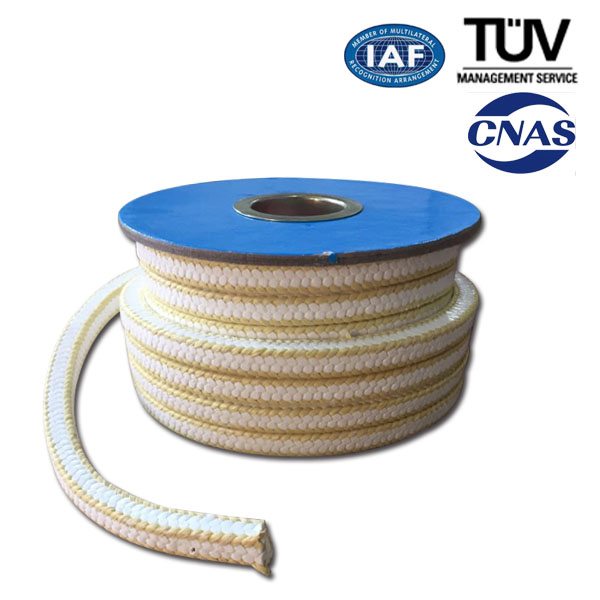
PTFE packing with aramid corner is made from aramid yarns impregnated with PTFE, while the friction faces are made of PTFE yarns. This structure enhances the lubrication ability of aramid fiber and improves the strength of the pure PTFE.

Technical Data Sheet


Rotating

Reciprocating

Valves

Pressure

4Mpa

15Mpa

25Mpa

Shaft Speed

22m/s rotary

Temperature

-100℃~+280℃

PH Range

2~12

 Application Area

It affords longer service life under severe conditions which conventional asbestos packing can bot provide satisfaction, such as mine, tin ore, paper pulp, feed water pump of power stations, etc.


Product detail pictures:

2017 Latest Design 
 PTFE  Packing with Aramid Corner to Switzerland Factory detail pictures


Related Product Guide:
A Look at the Molded Gasket
Useful Tips For Installing The Teflon Envelope Gasket

2017 Latest Design PTFE Packing with Aramid Corner to Switzerland Factory, The product will supply to all over the world, such as: , , ,


  • These diagrams and tables are intended to help you identify hydraulic thread types and sizes. For more information, refer to Section AC of our current catalog.

    For more information or product, view our website. https://www.new-line.com
    Or for further assistance you can email us at sales@new-line.com

    How To Measure Threads Guide

    Video:

    Hi. I’m Ian from New-Line Hose and Fittings. One of the most common questions we get on the order desk is – a customer has an adapter, but he’s not sure what the thread is.

    So one of the best ways we can identify a thread is, first of all, try to eliminate some options. Take a look at the sealing surface. Is it a tapered thread, like an NPT thread? Does it have an o-ring, like an ORB? Or does it have a flare, like a JIC or some metric fittings? That way, you can first of all eliminate some of the options.

    The next thing is, if you have a thread gauge kit, what you can do is take your thread gauge tool, put it against the threads, and that will identify the threads per inch. Write that number down. If you don’t have a thread gauge kit, what you can do is you can actually take a piece of paper, hold it against the threads, and then take something like a micrometer or a tape measure, set it for a quarter inch, count the number of threads per quarter inch, multiply it out, and that’s the same thing as getting the threads per inch with the tool.

    The next thing you need to do is measure the diameter of the threads. Take your micrometer or your tape measure; measure the outside of the threads. Write that information down. What you can do is go to the back of our catalog or go to our website; you can identify the threads. If you don’t have that information handy, give us a call at 1-800-661-HOSE, or you can email me at ifoulds (at) new (dash) line (dot) com.


    5 Stars By from -

    5 Stars By from -

    Related Products